Biggest Nano75 2022 Buying Mistakes (And How to Avoid Them)
Introduction
The LG Nano75 2022 has garnered significant attention as a mid-range 4K LED TV offering in LG's NanoCell lineup. As shoppers look for value-friendly televisions with enhanced color performance and smart features, the Nano75 often comes up as an enticing option. However, with dozens of models, nuanced specifications, and subtle differences from year to year, buyers frequently find themselves facing unexpected surprises after their purchase – leading to regret, returns, or a TV that simply doesn't meet their expectations.
This article aims to highlight the most common Nano75 2022 buying mistakes, drawing from real-world user experiences and feedback. Whether you're upgrading your living room centerpiece, looking for a secondary TV for the bedroom, or outfitting a family room, understanding the model's strengths and limitations is crucial. By unpacking key specs, explaining comparative differences, and providing a practical buying guide, this editorial will help you make an informed decision and avoid pitfalls that many buyers encounter.
Understanding the LG Nano75 2022
The LG Nano75 2022 is positioned as an entry-level 4K television with NanoCell technology, promising vivid colors, webOS smart TV features, and a competitive price point. Available in a range of sizes (typically from 43 to 86 inches), the Nano75 2022 appeals to a broad audience—families, casual viewers, and those seeking an affordable step above basic 4K LCDs.
Despite its popular branding, it's critical to note that the Nano75 sits at the lower end of the NanoCell lineup. It lacks some advanced features you might find on higher-tier LG Nano models or OLEDs, and not all versions are the same; panel type and other characteristics can differ depending on screen size and region. Being aware of these distinctions ahead of time can save you from disappointment.
Key Features & Specifications
- Display Type: 4K UHD LCD with NanoCell filtering (edge-lit, NO local dimming)
- Panel Type: VA or IPS (varies—see Buying Guide)
- Refresh Rate: 60Hz native
- HDR Support: HDR10, Hybrid Log-Gamma (HLG)
- Smart Platform: webOS 22
- Ports: Typically 3 HDMI 2.0 (not 2.1), 2 USB, Ethernet, Optical, Composite
- Audio: 20W speakers, often without advanced audio processing
- Sizes Available: 43”, 50”, 55”, 65”, 75”, 86”
- Design: Slim bezels, simple stand, lightweight chassis
Detailed Product Analysis
On paper, the LG Nano75 2022 offers a compelling suite of features for its price: 4K resolution, a modern design, and LG’s celebrated webOS interface. In practice, however, several limitations may affect different types of viewers, and failing to recognize these caveats is one of the biggest purchasing blunders. Here's a closer look at real-world performance factors:
Picture Quality
The NanoCell display delivers notably wider and purer colors than standard LED panels in its class, resulting in more lifelike images and a relatively vibrant picture—especially with animated content or bright TV shows. However, the edge-lit backlighting and lack of local dimming introduce some key compromises:
Looking for the best TVs & Home Theater deals on Amazon?
Shop Amazon →- Black Levels: Black shades tend to appear grayish, especially in dark rooms, because the edge lighting cannot independently manage small zones of brightness or shadow.
- Contrast: Contrast is modest, which diminishes cinematic impact and depth on demanding HDR content.
- Uniformity: Edge lighting can cause uneven brightness ("clouding" or "backlight bleed"), more noticeable on the largest screen sizes or when watching letterboxed movies.
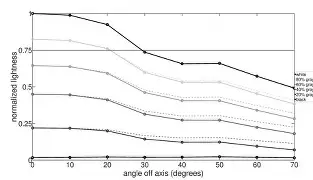
- Viewing Angles: If the set uses an IPS panel, off-angle viewing is decent but at the cost of lower contrast; VA panels (on some larger sizes) offer better contrast but worse angles.
Motion Handling & Gaming
The Nano75 2022 is capped at a 60Hz refresh rate. While this is perfectly functional for casual TV watching and low-framerate movies, sports fans and gamers might miss the smoother motion afforded by 120Hz panels. The lack of HDMI 2.1 means no support for features like variable refresh rate (VRR) or high-frame-rate (HFR) 4K gaming. Input lag is adequate (typically around 10-15ms with Game Mode), but hardcore gamers or next-gen console owners should look elsewhere for a more responsive experience.
Smart Features & OS
LG’s webOS continues to be a strong point. The interface is fast, intuitive, and supports nearly all major streaming platforms (Netflix, Disney+, Prime Video, YouTube, Apple TV, and more). The built-in Magic Remote (included in some regions) allows for point-and-click navigation, voice search, and integration with smart assistants like Google Assistant and Amazon Alexa.
However, the platform is not as customizable as some Android or Google TV competitors, and performance can feel sluggish on entry-level processors, especially after opening multiple apps.
Audio Quality
Twin 10-watt speakers provide enough audio for typical living room or bedroom listening, but bass response is weak and sound lacks spaciousness. Without Dolby Atmos or eARC on all HDMI ports, home theater enthusiasts will want to add a soundbar or external speakers.
Common Buying Mistakes (And How to Avoid Them)
Misunderstanding the Nano75’s capabilities or misaligning your expectations is the most frequent cause of buyer’s remorse. Here are the top pitfalls to avoid:
Shop the latest TVs & Home Theater picks on Amazon.
Browse Now →- Assuming All Nano75 2022 Models Use the Same Panel:
- 43" and 50" models typically use VA panels (better contrast, narrow viewing angles)
- 55" and larger often use IPS panels (better viewing angles, worse contrast and blacks)
- Check specs by screen size and in your country—differences are significant and not always well-marketed.
- Expecting Premium Picture Quality in Dark Rooms:
Edge-lit design means blacks will not approach OLED or high-end QLED levels; best suited for moderately lit rooms. - Believing It Supports 120Hz or Advanced Gaming Features:
The Nano75 maxes out at 60Hz and HDMI 2.0. No support for HDMI 2.1, VRR, ALLM, or 4K120 gaming. - Overlooking the Lack of Local Dimming:
Without local dimming zones, contrast control is coarse, and HDR 'pop' is subdued. - Neglecting Sound System Limitations:
Expect to invest in a separate soundbar or speakers for a more cinematic audio experience. - Not Comparing With Similar Models:
Models like the LG UQ9000 series or Samsung’s TU7000 might provide better value for very similar features.
LG Nano75 2022 Pros & Cons
- Pros:
- Vivid and wide color palette thanks to NanoCell filtering
- Modern design with slim bezels
- Comprehensive smart TV platform (webOS), with all major streaming apps built-in
- Good input lag for casual gaming
- Affordable pricing, especially on sale
- Wide range of sizes (43-86") to fit any space
- Cons:
- Edge-lit only—no local dimming for improved contrast
- Poor black levels; not great for dark-room viewing or home theater
- No HDMI 2.1 ports, 60Hz limit, and no advanced gaming features
- Clarity can drop at wide angles (especially VA panels)
- Average built-in speakers; weak bass and no Atmos
- Brightness is only adequate—can struggle in well-lit rooms or with HDR content
- Regional/spec variation in panel types
Comparison: Nano75 2022 vs. Key Alternatives
| Feature | LG Nano75 2022 | LG UQ9000 | Samsung TU7000 | Sony X80K |
|---|---|---|---|---|
| Panel Type | IPS/VA (varies by size/region) | IPS/VA (varies) | VA | IPS |
| Backlight | Edge-lit (no local dimming) | Edge-lit | Edge-lit | Direct-lit |
| Refresh Rate | 60Hz | 60Hz | 60Hz | 60Hz |
| HDMI 2.1 | No | No | No | No |
| Smart OS | webOS 22 | webOS 22 | Tizen | Google TV |
| Sizes | 43-86" | 43-86" | 43-75" | 43-85" |
| Color Tech | NanoCell | Standard LED | PurColor | Triluminos |
| Dolby Vision/Atmos | No | No | No | Dolby Vision |
| Price (approx.) | Low-mid | Low | Low | Mid |
Specifications and features can vary based on region and retailer. Always verify with local stores and LG’s official site.
Buying Guide: How to Choose the Right Nano75 2022 Model
Choosing the ideal Nano75 2022 model (or an alternative) means narrowing your options based on your household’s viewing habits, room type, and performance priorities. Here are some steps and tips to make the process smoother:
1. Decide on Screen Size and Panel Technology
- Measure your viewing distance to determine ideal screen size: for most living spaces, a 55"–65" is the sweet spot, but go larger for big family rooms or home theaters.
- Remember: the 43" and 50" models likely use VA panels, better for contrast but with worse side angles. The 55" and up mostly use IPS panels, which widen the viewing angle but at the expense of deeper blacks.
- If possible, check the panel type with your retailer—ask to see the display in person to compare contrast and color in your lighting conditions.
2. Assess Lighting Conditions
- If you watch TV mainly in the evening or in a dark, home theater-like environment, the Nano75’s modest black levels and lack of local dimming may disappoint. Consider other models (like the Sony X85K or a more advanced LG NANO series, if within budget).
- For sunlit or well-lit rooms, ensure the TV can get bright enough. The Nano75’s brightness is suitable for typical living rooms but can look washed out in direct sunlight or near large windows.
3. Evaluate Gaming & Movie Needs
- Are you a casual gamer? The Nano75’s input lag and Game Mode will suffice, but don’t expect advanced features or the lowest possible latency.
- If you own a PlayStation 5 or Xbox Series X and want 120Hz or VRR, look at LG’s QNED or OLED ranges—or other brands’ higher-end models.
4. Consider Audio Add-Ons
- For robust, cinematic sound, budget for a soundbar or external speakers. The Nano75 built-in audio is average at best.
5. Software and Smart Features
- webOS is intuitive and covers most streaming apps out of the box. If you rely on rare apps or desire more customization, check app compatibility first.
- Set up the TV with a wired Ethernet connection for faster app performance if your WiFi is weak.
- Magic Remote is region-dependent—confirm inclusion before purchase if you value pointer and voice controls.
6. Compare Prices — But Mind Similar Models
- The Nano75 2022 competes with LG’s own UQ9000, Samsung’s TU7000/8000, and Sony’s X80K in most territories. Sometimes, these alternatives offer similar or better features for the same price or less.
- Always look for up-to-date reviews, as changes in supply, panel type, and firmware updates can alter the value proposition.
Conclusion
The LG Nano75 2022 is a capable, affordable television with attractive color performance and a robust smart TV interface. However, it's not free from compromises—particularly in panel technology, dark-room performance, and gaming features. The most common buying mistakes stem from misunderstanding or overestimating its abilities compared to more expensive LG TVs.
Buyers can avoid disappointment by matching their needs precisely to the Nano75’s actual strengths, understanding inherent limitations, and scrutinizing specs based on their chosen size and region. For those who value vibrant colors, ease of use, and streaming convenience on a reasonable budget, the Nano75 represents a competitive choice—just be sure you enter the purchase with realistic expectations and full knowledge of the model you’re getting. Such diligence ensures your new TV is a source of continued satisfaction, not regret.